Two people can draw the same tarot card and walk away with different interpretations. Sometimes the difference comes from their circumstances. Just as often, it comes from the questions they asked before drawing the card.
A tarot reading is not only about which cards appear, but also about what the reader hopes to understand. A vague question may lead to a broad interpretation, while a thoughtful, specific question can open up a more meaningful discussion about relationships, personal choices, or everyday challenges.
This is particularly useful in conversational tarot readings, where the interpretation does not have to end after the first response. Platforms like TarotAI allow users to explore their selected cards and ask follow-up questions, making it possible to examine different meanings rather than treating the initial interpretation as the final answer.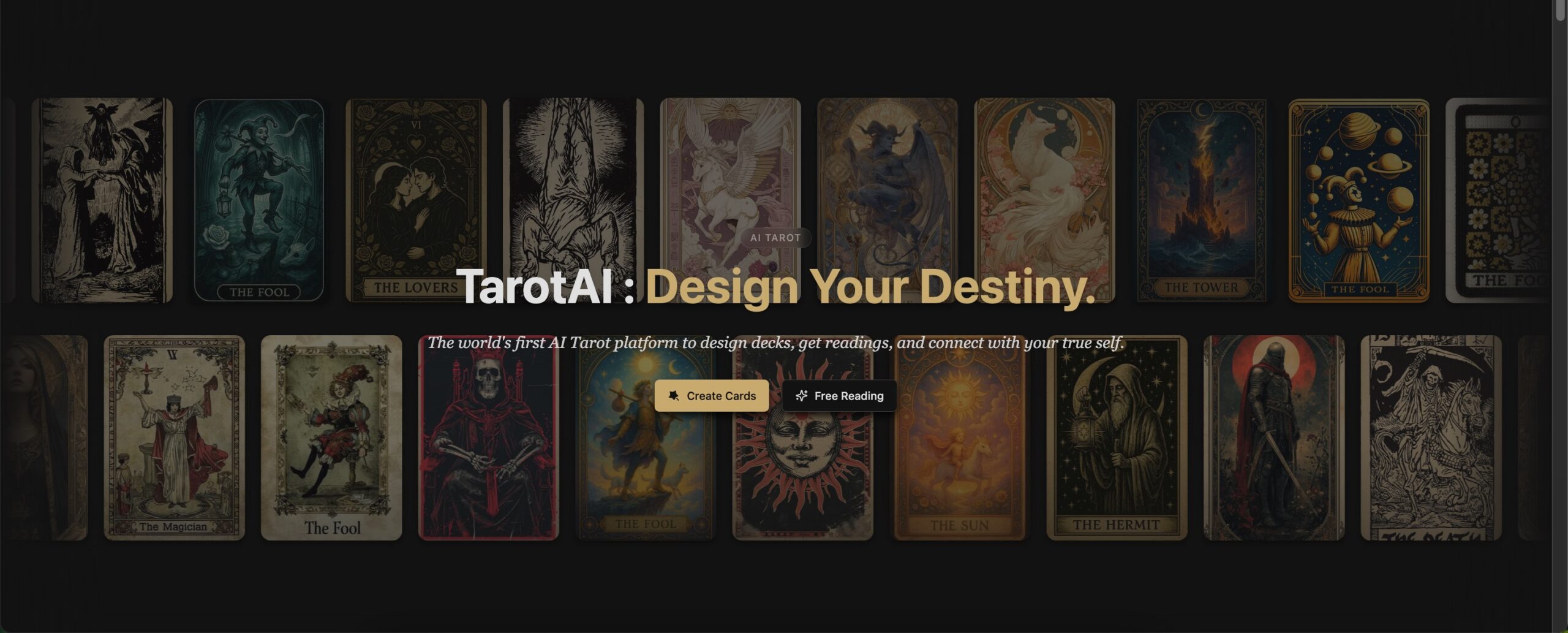
Why the Question Matters as Much as the Card
Tarot is rich in symbolism, but symbolic language is flexible. The Two of Swords might suggest a difficult choice, hesitation, or the need to examine conflicting perspectives. The meaning that feels relevant depends partly on the question and surrounding circumstances.
Without context, an interpretation may remain abstract. A person asking about creative work could understand the card as a conflict between two projects. Someone asking about friendship might see it as reluctance to address an uncomfortable conversation.
The card has not changed. The context gives its themes a different practical meaning. A thoughtful question creates that context without demanding a predetermined answer.
The same principle applies to conversational readings. When users explain what they want to explore, they can ask more precise questions about individual symbols or conflicting themes instead of repeatedly requesting a general explanation.
Start with What You Can Actually Explore
A useful distinction is whether a question concerns your own experience or attempts to establish facts about another person’s private thoughts and future actions.
Compare these approaches:
- Instead of “What does my colleague secretly think about me?” ask “How can I approach an uncomfortable situation with my colleague?”
- Instead of “Will my former partner contact me next Friday?” ask “What feelings am I carrying about the possibility of reconnecting?”
- Instead of “Will everything work out?” ask “What aspects of this situation deserve more attention?”
The first type of question seeks information or future events that a tarot reading cannot independently verify. The second invites reflection on communication, feelings, and choices.
This does not mean every tarot question must be serious or introspective. Curiosity and playful exploration are legitimate reasons to engage with tarot. However, when an important personal decision is involved, questions that support reflection can be more constructive than demands for certainty.
Three Common Situations, Rewritten as Better Questions
The same general principle can be applied to relationships, career decisions, and personal development. The wording does not need to become complicated; it simply needs to direct attention toward something meaningful.
Relationships: Move Beyond Predicting Someone Else’s Feelings
Relationships are among the most common subjects of tarot readings. People may be curious about a new connection, uncertain about an existing partnership, or processing the end of a relationship.
“Does this person love me?” may feel natural, but cards cannot establish another person’s private emotional state. A more reflective question could be: “What should I pay attention to when evaluating the connection between us?”
This shift creates room to examine communication, expectations, emotional availability, and mutual effort. Other possible questions include:
- What am I learning about my needs in relationships?
- Which assumptions should I examine before this conversation?
- How can I communicate my expectations more clearly?
- What patterns have appeared in previous relationships?
A reading can suggest themes worth considering, but understanding another person’s feelings still requires communication. That distinction matters when uncertainty creates a temptation to repeat the same reading until a reassuring interpretation appears.
Career: Replace Certainty with Useful Perspective
Career questions often arise during periods of uncertainty. Someone may be choosing between opportunities, considering further education, or feeling dissatisfied with a current role.
“Will I get the promotion?” asks for a result involving factors the reader may not know. “What strengths and concerns should I consider while preparing for this opportunity?” creates a clearer subject for reflection.
If the reader draws The Magician, the interpretation might explore preparation, skills, and the use of available resources. That does not mean a promotion is guaranteed. It offers a symbolic framework for thinking about the situation.
For consequential employment decisions, practical information about compensation, responsibilities, and working conditions remains essential.
Personal Growth: Make an Abstract Concern Specific
Questions about personal growth can become so broad that almost any interpretation seems relevant. “What is wrong with my life?” does not identify a particular concern.
“What habits are making it difficult for me to maintain a creative routine?” gives the reading a clearer focus. Likewise, “Will I ever become confident?” could become “What can I do to approach unfamiliar situations with greater confidence?”
These questions encourage attention to specific experiences and possible actions. They also make it easier to revisit the reading later and consider whether anything has changed.